Menu

5 Signs of Hormonal Imbalance to Watch For
Some hormonal shifts do not arrive with fanfare. They show up as a period that suddenly goes off-script, skin that behaves differently, or a kind of tiredness that sleep does not fix. It is easy for me to brush those changes aside and blame stress, work, or a busy month.
Still, our bodies tend to repeat themselves when hormonal health is compromised. Hormones affect far more than periods, as they also influence mood, appetite, sleep, skin, energy, and overall reproductive health. When several changes appear together, they can start to affect work, relationships, and how comfortable we feel in our own bodies. If you are wondering whether your body is trying to tell you something, I will give a clear answer here, with the five signs women notice most often, what can cause them, and when getting help makes sense.
Key Takeaways
- A hormonal imbalance often shows up as a pattern, not one isolated symptom.
- Changes in periods, mood, fatigue, skin, hair, and sleep quality are the five signs women notice most often.
- Natural life stages such as menopause can shift hormones, but so can PCOS, thyroid issues, stress, and some medicines.
- If symptoms are getting worse or affecting daily life, it is worth speaking to a GP.
The 5 signs of hormonal imbalance to watch for
When our hormones shift, the signs of a hormonal imbalance can appear in different parts of the body at once. That happens because oestrogen, progesterone, thyroid hormones, insulin, and cortisol all influence daily functions that can seem unrelated until they change together. I would not treat one difficult week as proof of an imbalance. Still, if several symptoms keep showing up, or one becomes hard to ignore, it is worth paying attention.

For many women, the menstrual cycle is the first place hormones show their hand. Periods may arrive late, disappear for months, turn much heavier, or come closer together than usual. Spotting between periods, stronger cramps, or worse PMS can also be clues.
A one-off odd cycle can happen after stress, illness, travel, or a big change in routine. However, repeated changes matter more. If my cycle has been regular for years and suddenly becomes unpredictable, I treat that as useful information, not bad luck. Fluctuations in oestrogen, progesterone, and even testosterone help regulate the cycle, so shifts in these hormones often show up here first.
Your mood feels harder to control than usual
Cortisol and the state of your general hormonal health influence how steady, calm, and clear-headed we feel. If I become unusually irritable, anxious, tearful, flat, or foggy, I do not write it off as a character flaw.
This can feel unsettling because the change is hard to measure. We may seem fine from the outside while feeling unlike ourselves inside. Brain fog, low motivation, and emotional swings can all sit in the same picture. A Patient guide to hormonal imbalance signs gives a helpful overview of symptoms that often cluster together. If mood changes persist or start interfering with daily life, they deserve attention alongside physical symptoms.
Your weight, appetite, or energy has shifted without a clear reason
When weight gain happens without an obvious cause, hormones may be one part of the puzzle. Some women notice sudden growth around the middle. Others lose weight, feel hungry all the time, or start craving sugar more than usual. Fatigue that lingers after a full night’s sleep can sit in the same picture.
These changes can link to hormones that control blood sugar, insulin resistance, and your metabolism. Thyroid hormone levels also play a significant role in how your metabolism functions. Of course, appetite and energy can shift for many reasons. Yet if food habits have not changed much and your body still feels different, it is worth noticing rather than blaming yourself.
Your skin and hair are acting differently
Our skin and hair often tell the truth before we do. Acne along the jawline, oilier skin, or new dry patches can point to hormone changes. Elevated levels of testosterone can lead to thinner hair or even unwanted hair growth. Some women notice these changes as they move toward a goal of better hormone optimization.
Nails can become more brittle too, although that is a less direct sign on its own. I pay more attention when visible changes show up alongside fatigue, mood swings, or shifts in my cycle. That is when the pattern starts to look less random and more like a hormonal health issue worth checking.
You are not sleeping well or feeling switched on at the wrong times
Poor sleep can be both a symptom and a cause, which is why your sleep quality becomes so vital. We may struggle to fall asleep, wake in the night, sweat through the sheets, or feel tired all day but oddly alert after dark. Over time, that poor sleep quality can sharpen cravings, worsen mood, and make every other symptom feel louder.
Hormones such as oestrogen and progesterone act as regulators, while cortisol levels dictate your alertness. When sleep changes for weeks rather than days, I stop treating it as a passing blip. A warning signs guide from Hormone Health can help place sleep issues in a wider symptom pattern, although it should never replace medical advice.
What causes hormone levels to go out of balance?
Hormone levels can change for normal reasons, so an imbalance is not always a sign that something serious is wrong. At the same time, common health issues and everyday habits can push symptoms further. That bigger picture matters because it stops us jumping to conclusions too quickly.
Life stages that naturally change hormones
Puberty, pregnancy, the weeks after giving birth, perimenopause, and menopause all change hormone levels. During these stages, symptoms can be expected and still feel intense. Significant fluctuations in estrogen and progesterone during menopause, for instance, can lead to heavy periods, mood swings, hot flushes, and broken sleep. Feeling unlike yourself can happen during these shifts without it meaning you have done anything wrong.
Perimenopause often starts years before periods stop, and that catches many women off guard. After birth, hormone changes happen quickly, which can affect mood, energy, and sleep all at once. Natural shifts are common, but common does not mean easy. If symptoms start running your life, they still deserve support and proper advice.
Health conditions and everyday factors that can play a part
Some medical conditions sit behind these symptoms. PCOS is a common example, which can cause irregular periods, acne, weight gain, and extra facial or body hair. The NHS page on PCOS explains the condition clearly and lists the usual symptoms.
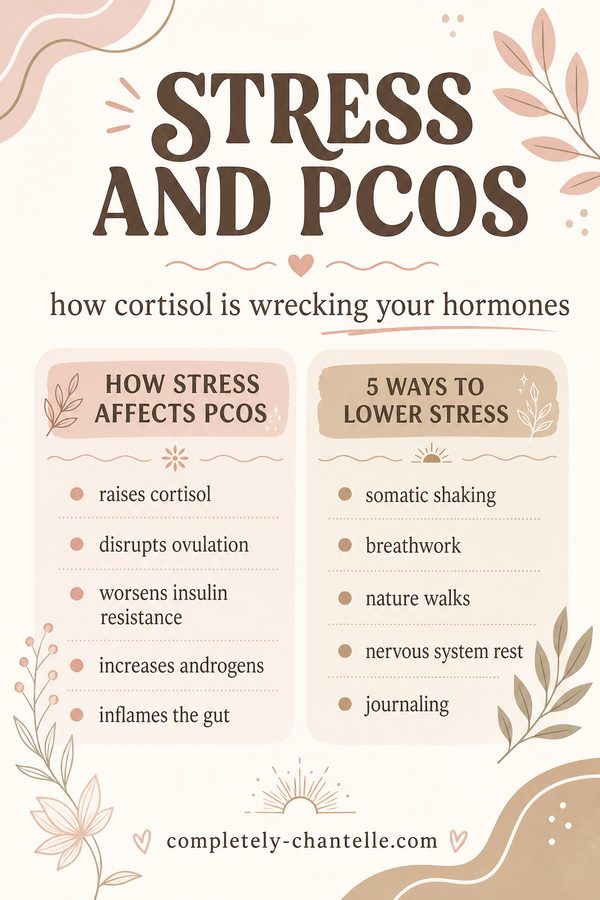
The thyroid, which is a vital endocrine gland, can also significantly change weight, energy, mood, skin, and periods if it is not functioning correctly. Both hypothyroidism and hyperthyroidism can trigger these issues. Beyond medical conditions, chronic stress is a major factor that spikes cortisol levels and throws sleep and appetite off course. Poor sleep itself can make a hormonal imbalance worse, creating a difficult cycle to break. Big weight changes, which are often linked to insulin resistance, stopping hormonal contraception, and some medicines may play a part too. That is why I try not to guess the cause from one symptom alone.

When to speak to a GP about possible hormonal imbalance
If symptoms keep repeating, getting checked is sensible. I would book a GP appointment if periods stop, become very heavy, or turn irregular for more than a few cycles. The same goes for sudden hair loss, new facial hair, persistent acne, ongoing exhaustion, worsening PMS, or mood changes that do not settle.
It matters even more when symptoms start affecting work, sleep, sex, exercise, or everyday wellbeing. You do not need to wait until things feel extreme. Severe pain, fainting, very heavy bleeding, chest pain, or sudden shortness of breath need faster help. In those cases, NHS 111 or A&E may be the right step, depending on how urgent it feels.
How to prepare for the appointment so you get useful answers
A little preparation can make the appointment far more useful. I would track my periods, bleeding, cramps, sleep, mood, headaches, energy, weight changes, physical activity, and any new skin or hair symptoms for a few weeks. A notes app or paper diary both work well.
I would also bring a list of medicines, supplements, recent illnesses, contraception changes, and anything major that has shifted, such as stress levels, eating patterns, or exercise. If there is a family history of thyroid disease, early menopause, or PCOS, I would mention that too.
During your consultation, you may also want to ask your GP about the suitability of hormone replacement therapy, bioidentical hormones, or broader hormone optimisation strategies for your specific situation. Clear notes give a GP a better starting point and make it easier to ask the right follow-up questions.
Frequently Asked Questions
How long should I monitor my symptoms before seeing a GP?
If you notice persistent, recurring changes that last for more than three consecutive cycles or several weeks, it is worth keeping a record. While one-off irregularities are common due to stress or travel, a consistent pattern that begins to impact your quality of life should be discussed with a medical professional.
Can lifestyle changes alone fix a hormonal imbalance?
Healthy habits like managing stress, getting adequate sleep, and eating a balanced diet can certainly support hormonal regulation. However, if your imbalance is caused by an underlying condition such as PCOS or thyroid issues, lifestyle changes may not be enough on their own. It is important to get a formal diagnosis from your GP to understand if medical intervention or specific support is required.
Is it normal to feel moody just before my period?
Mild mood fluctuations associated with PMS are common, but they should not be debilitating. If your mood swings are severe, causing significant distress or interfering with your daily responsibilities, this may point to an underlying hormonal issue rather than standard premenstrual changes. Consulting your GP can help determine if your symptoms fall within a normal range or warrant further investigation.
Do hormonal imbalances always cause weight gain?
Not necessarily, as hormonal shifts can affect metabolism in different ways. While some women experience unexplained weight gain, others may find it difficult to maintain their weight or lose it despite no change in their diet or exercise. Because hormones like insulin and thyroid hormones play a complex role in metabolism, any persistent and unexplained weight shift is worth noting.
What to remember about hormonal imbalance
Hormonal imbalance often whispers before it shouts. A changed period, harder-to-manage mood swings, unexplained weight or energy shifts, visible skin or hair changes, and broken sleep are five of the clearest signs that something may be off.
What matters most is the pattern. Plenty of hormone changes are part of normal life stages, but normal changes can still require treatment or reassurance. When several symptoms cluster together, or one starts to disrupt your daily life, it is worth taking your hormonal health seriously.
If your wellbeing does not feel quite right, speaking to a GP is a sensible next move. You might find that your doctor explores various management strategies, and for some individuals, options like BHRT may be discussed with a specialist to ensure long-term balance. A clear record of what you have noticed can make that clinical conversation much easier.
Hormonal Health: Signs you have a Hormonal Imbalance
The Ultimate Guide to Eating and Moving for Your Specific Cycle Phase
Somatic Wisdom vs. The 20-Step Routine
The Luteal Phase: Why do I feel like a different person every three weeks?
Energy Crashes: Understanding Your Body’s Signals
Cycle Syncing: Exercising for Your Cycle to Beat PMS Symptoms
4 Types of PCOS Explained, Symptoms and Causes
How to Support Yourself During the Luteal Phase
Hormonal Health Basics for Women: A Guide
Hormonal Wellbeing: Your Hormonal Happiness
Healthy Habits and Your Hormones: How your everyday habits affect your cycle
Why building Somatic Awareness helps your menstrual cycle
Why Your Nervous System Holds the Key to Hormonal Balance
The Luteal Phase: “I know all this but I can’t move”
An ode to ‘feeling wrecked’ right now
Your Hormones aren’t betraying you
Trauma and Your Hormones: Understanding the Silent Connection
Body Literacy: Let’s stop chasing the ‘perfect’ cycle
The Hormone Powerhouse: A love letter to my liver
My Hormones + Hakomi: The 5 simple principles of Hakomi that overhauled my PCOS
From PCOS to PMOS: A Journey in Understanding my Hormonal Health
Data vs. Soul: What My Toxic Hormone Coach Taught Me About Sovereignty

