Menu
Understanding your Hormonal Health: What to Know First
Understanding hormonal health for women is an essential step toward feeling your best. Fatigue, patchy sleep, odd cravings, mood swings, stubborn weight changes, and irregular periods can often feel random. Quite often, though, your hormone health is a significant part of the picture. Your cycle is a 5th vital health, along with your blood pressure, respiratory rate and temperature.
Hormones affect how you feel on an ordinary Tuesday, not only during a medical crisis. If you are new to the topic, plain English helps more than jargon, so start with the basics and look for patterns that show up in daily life.
Key Takeaways
- Recognise the signs: Hormone issues often present as recurring patterns of fatigue, mood swings, sleep disturbances, or irregular cycles rather than a single, isolated symptom.
- Context matters: Hormones do not function in isolation; lifestyle factors like high stress, poor sleep, and nutrition choices significantly influence your hormonal balance.
- Track your symptoms: Keeping a simple diary of your energy, mood, and cycle helps you identify meaningful trends and develop body literacy
- Prioritise evidence: Avoid falling for trends like restrictive cleanses or unregulated supplements; instead, focus first on steady daily habits and nutrition
What hormone health actually means in everyday life
Hormones are chemical messengers that form the foundation of your endocrine system. They travel through the blood to signal different parts of the body about what to do and when to do it. This includes essential functions like hunger, sleep, stress response, body temperature, metabolism, growth, and reproduction.
When these signals function correctly, you usually feel fairly steady. You still have off days, of course, but your energy, appetite, mood, and cycle make sense most of the time. When signals get messy, symptoms often show up long before anyone uses the words hormonal imbalance. This might manifest as brain fog, lingering fatigue, or irregular periods that disrupt your daily routine.
The main hormones beginners should know about
This quick guide makes the main players easier to recognise.
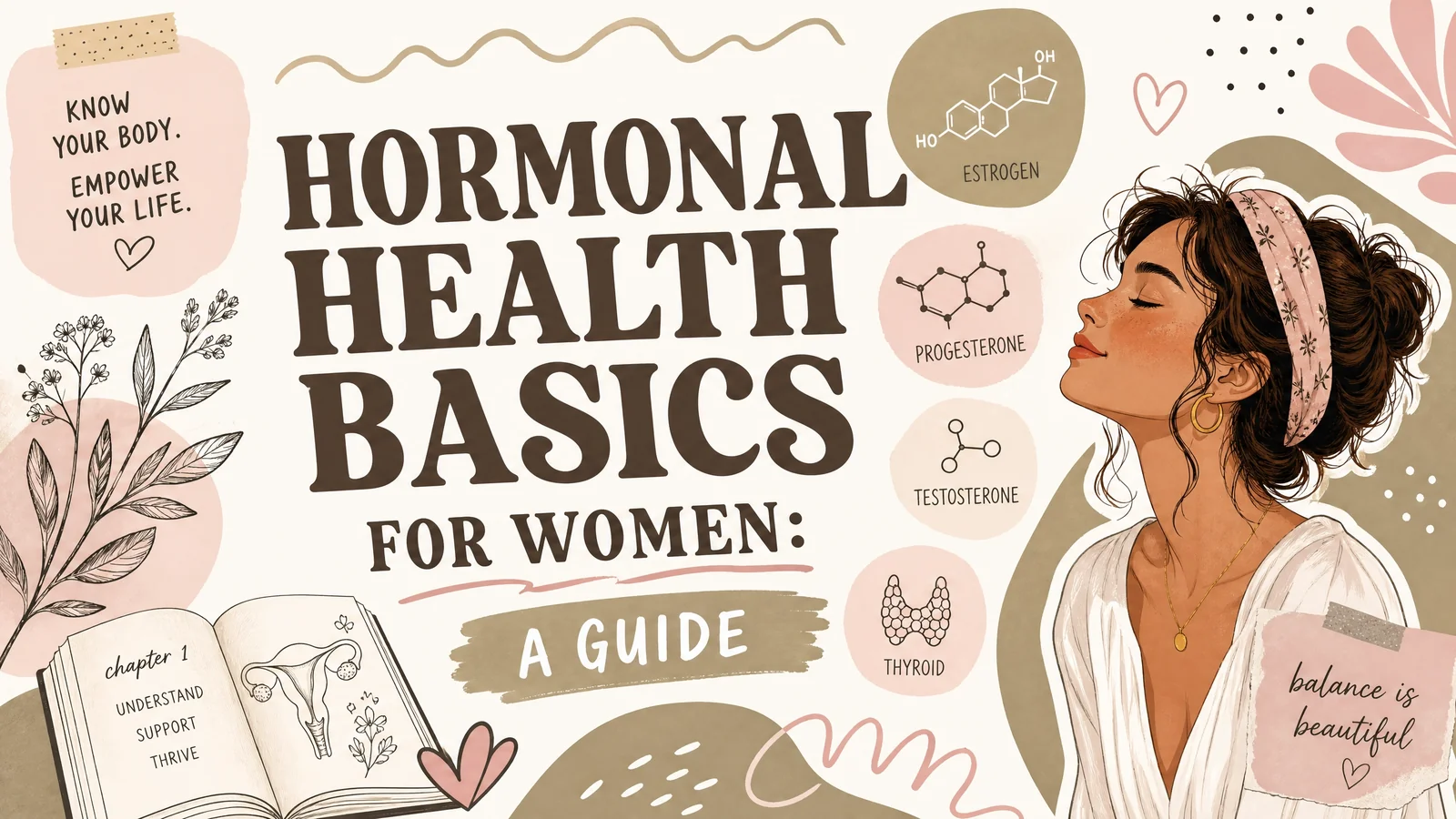
| Hormone | Main job | Common clue when off |
|---|---|---|
| Insulin | Moves glucose into cells | Energy dips, insulin resistance |
| Cortisol | Handles stress response | Wired, tired, anxious |
| Oestrogen | Supports cycle, bones, mood | Menopause symptoms, hot flushes |
| Progesterone | Helps regulate cycle and sleep | PMS, sleep trouble |
| Testosterone | Affects libido, muscle, energy | Low drive, strength changes |
| Thyroid hormone | Sets metabolic pace | Feeling too cold or too hot |
| Melatonin | Supports sleep timing | Trouble falling asleep |
None of these hormones works alone. They overlap, so one change can ripple into sleep, appetite, mood, and periods at the same time. Your Tier 1 hormones ae your Insulin and Cortisol. So when these are out of balance, they will have direct effect on your oestrogen & progesterone, which in turn will affect your testosterone, thyroid and melatonin.
How hormone balance affects how you feel day to day
A hormone issue rarely arrives with a neat label. More often, it feels like brain fog in the afternoon, a sudden short temper, waking at 3 am, feeling shaky after skipping lunch, or losing interest in sex for no clear reason.
That is why context matters. A rough week at work can disturb sleep and push up stress hormones. However, if the same pattern keeps showing up for weeks or months, it deserves attention. Your body usually gives clues before it gives answers.
Common signs your hormones may be out of balance
Most women notice symptoms before they think about hormones. One sign on its own does not prove anything, yet clusters of symptoms are worth noticing, especially when they repeat through the month. Often, these shifts are caused by underlying fluctuations in hormones like oestrogen and progesterone.
One bad night or one odd period is common. Several recurring changes at once are more useful clues.

Energy, sleep, mood, and cravings
You may first notice a persistent afternoon crash. This type of fatigue is common; you eat, perk up briefly, then hit a wall by 3 pm. Others feel tired all day but suddenly wide awake at bedtime.
Your emotional wellbeing can shift as well. Notable mood swings, feeling flat, anxious thoughts, and strong sugar cravings may all connect with sleep, cortisol, insulin, or cycle changes. Because these signs are common, keeping track of how often they happen matters more than any single episode.
Body changes that can point to a hormone issue
Unexplained weight gain can be a significant clue, especially if your eating and movement habits have not changed much. Acne that appears out of nowhere, dry skin, hair thinning, feeling unusually cold, or sweating more than usual can also point towards hormone changes.
Strength and recovery count too. If lifting the shopping feels harder than usual, or your muscles seem to disappear despite regular activity, hormones may be part of the story. Still, nutrition, stress, illness, and medicines can also affect these changes.
Period and fertility changes that should not be ignored
For many women, the menstrual cycle is one of the clearest windows into reproductive health. Irregular periods, very heavy bleeding, missed periods, spotting between periods, or severe pain are all signs to mention to a GP. They are also key to be aware of when it comes to developing body literacy.
Trouble becoming pregnant can also be linked to hormone problems, although it is not the only possible cause. The key point is simple: if your cycle changes and stays changed, do not brush it off.
What can throw hormones off in the first place?
Hormone problems do not come from one single cause. Daily habits matter, but so do health conditions, life stages, and some medicines. That mix is why online advice often feels confusing.
Stress, poor sleep, and everyday habits
Chronic stress can keep cortisol high for too long. Then sleep suffers, appetite changes, and energy becomes less predictable. Add skipped meals, too much caffeine, very little movement, or late nights, and the body can start sending mixed signals.
This does not mean your lifestyle is the only problem. It means everyday habits can either calm the system down or keep it under pressure. Small changes, repeated often, can have a real effect.
Health conditions that can affect hormone balance
Some conditions directly affect hormone production or how the body responds to hormones. Common examples include thyroid disorders, polycystic ovary syndrome, diabetes, perimenopause, and menopause. Less commonly, issues with the pituitary gland or adrenal health can play a part as well.
Medications, contraception, and life stages
Puberty, pregnancy, breastfeeding, and ageing all change hormone patterns. So can hormonal contraception, steroids, some mental health medicines, and treatments for thyroid disease or diabetes.
That does not mean a medicine is bad for you. It means symptom changes should always be viewed in context. A new pattern that starts soon after a medication change is worth discussing with your GP or pharmacist.
Simple ways to support healthier hormone balance
The good news is that basic habits still matter. They will not replace medical care when symptoms are severe, but they can make your body easier to read and easier to support.
Eat regular meals that keep blood sugar steady
Long gaps between meals can leave some people shaky, ravenous, and then exhausted. Regular meals help many people feel more even throughout the day, especially when meals include protein, fibre, healthy fats, and slow-release carbohydrates.
A simple plate can work well: eggs or yoghurt with oats in the morning, a chicken or bean lunch with wholegrains and vegetables, and a balanced evening meal. Try adding cruciferous vegetables like broccoli, cauliflower, or kale to your daily intake, as these are excellent for supporting natural detoxification processes. Perfection is not the target; steadier energy is.
Protect sleep, movement, and stress recovery
Sleep is one of the fastest ways hormones show up in daily life. Going to bed and waking at similar times helps your body expect rest. Daylight in the morning also supports your sleep-wake rhythm, while regular movement plays a vital role in improving your metabolism and reducing the risk of insulin resistance.
Gentle exercise counts. Brisk walking, cycling, swimming, or strength training a few times a week can all help. Alongside that, quiet recovery matters too, whether that means breathing exercises, journalling, prayer, stretching, or ten minutes outside.

A symptom diary can be more useful than you might expect. Note sleep, mood, cravings, stress, periods, bloating, headaches, and energy for a few weeks. Keep it simple so you will stick with it.
That record helps you spot links you would otherwise miss. It means you can advocate for yourself with your GP, rather than be brushed off. It also means you are building a strong foundation in body literacy.
Frequently Asked Questions
Can I diagnose a hormonal imbalance on my own?
While you can observe patterns in your own body, self-diagnosis is often unreliable because many different health conditions share similar symptoms. It is safer to track your symptoms for a few weeks and share that data with your GP, who can rule out other issues and request the correct clinical tests.
Do I need to be concerned if I have one off day?
One bad night of sleep or a single irregular period is usually not cause for alarm and can often be attributed to a rough week or temporary stress. You should pay attention when symptoms become a recurring, long-term pattern that begins to disrupt your daily quality of life.
Why are regular meals important for hormone health?
Eating regular meals with a balance of protein, fibre, and healthy fats helps keep your blood sugar steady throughout the day. Frequent blood sugar crashes can put unnecessary strain on your body, often worsening symptoms like fatigue, irritability, and sugar cravings.
Hormone health is less about perfection and more about patterns. If your sleep, mood, appetite, energy, skin, strength, or cycle keeps changing in ways that do not add up, your body is telling you to pay attention.
Addressing a potential hormonal imbalance is often about tracking these subtle shifts and understanding what your body needs to thrive. Start small. By noticing he pattern, change one daily habit, and build body literacy, you can take meaningful steps toward improving hormonal health for women at every stage of life.
Hormonal Health: Signs you have a Hormonal Imbalance
The Ultimate Guide to Eating and Moving for Your Specific Cycle Phase
Somatic Wisdom vs. The 20-Step Routine
The Luteal Phase: Why do I feel like a different person every three weeks?
Energy Crashes: Understanding Your Body’s Signals
Cycle Syncing: Exercising for Your Cycle to Beat PMS Symptoms
4 Types of PCOS Explained, Symptoms and Causes
How to Support Yourself During the Luteal Phase
Hormonal Health Basics for Women: A Guide
Hormonal Wellbeing: Your Hormonal Happiness
Healthy Habits and Your Hormones: How your everyday habits affect your cycle
Why building Somatic Awareness helps your menstrual cycle
Why Your Nervous System Holds the Key to Hormonal Balance
The Luteal Phase: “I know all this but I can’t move”
An ode to ‘feeling wrecked’ right now
Your Hormones aren’t betraying you
Trauma and Your Hormones: Understanding the Silent Connection
Body Literacy: Let’s stop chasing the ‘perfect’ cycle
The Hormone Powerhouse: A love letter to my liver
My Hormones + Hakomi: The 5 simple principles of Hakomi that overhauled my PCOS
From PCOS to PMOS: A Journey in Understanding my Hormonal Health
Data vs. Soul: What My Toxic Hormone Coach Taught Me About Sovereignty

