Menu
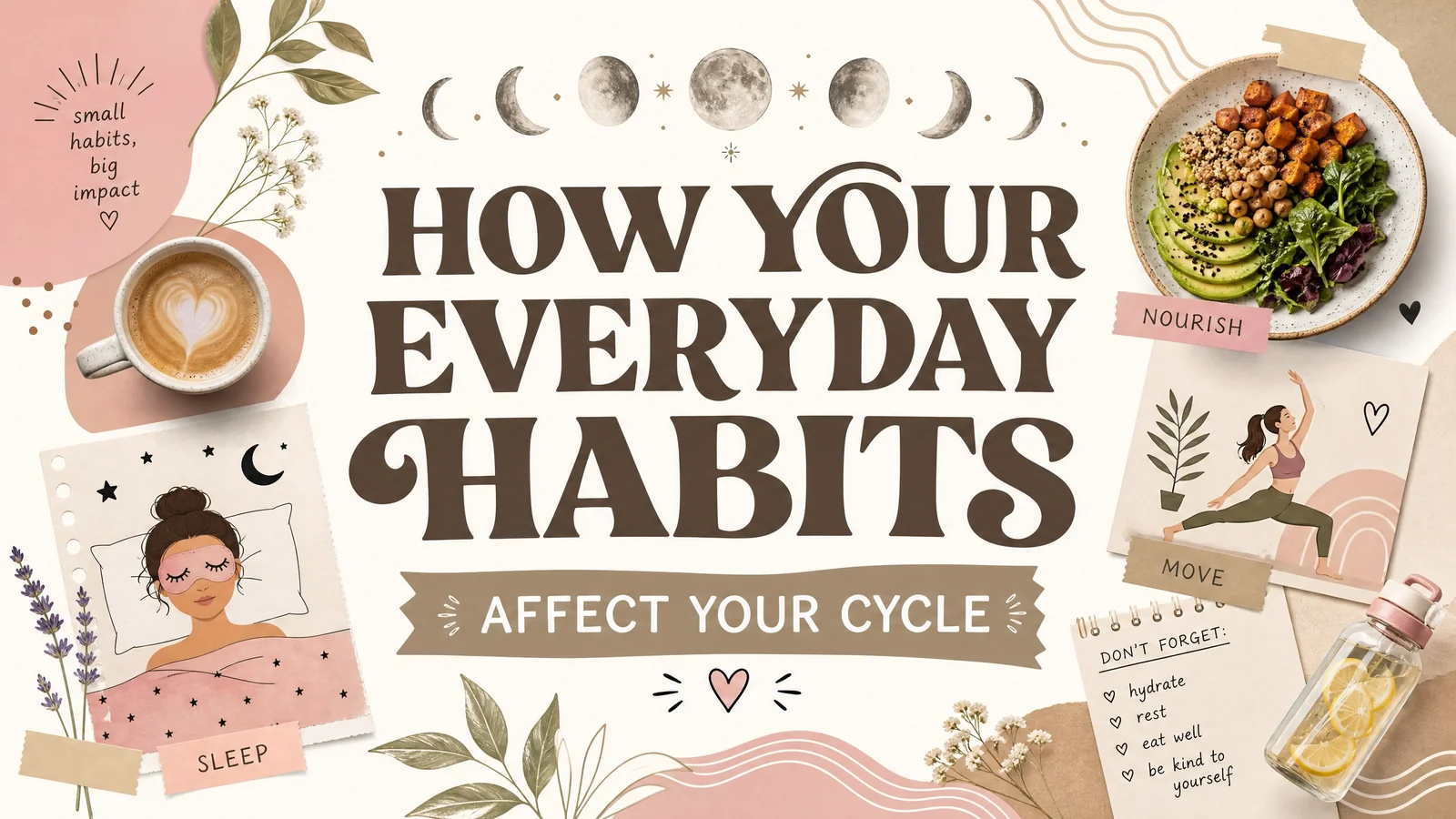
Bad Habits & my Hormonal Health
Obsessive cleaning, drinking on my feelings, overspending, not eating all day and then having a family size bar of chocolate. These are to name a few of the habits that gave me a shortcut to comfort but in the long term cost me my hormonal wellbeing as well as nervous system. I lived like that for years. And sometimes I can find myself still picking up the occasional bad habit mainly the obsessive cleaning & maxing out my credit card, almost like a keepsake for that 20 something me that is no longer.
The habits I held onto for years gave me comfort fast, then took far more than they gave back. Even from the earliest development of our sex chromosomes, our bodies are built for resilience, yet the patterns we adopt during puberty often set the stage for how we experience health later on. The habits I formed during puberty followed me into adulthood, where they eventually took a toll on my metabolism.

I used to clean obsessively when I felt out of control. I drank to soften feelings I did not know how to sit with. I spent too much, skipped meals all day, then ate half a family-sized bar of chocolate at night as if that would make up for everything I had ignored. I repeated the same patterns for years, because they worked in the short term. They made the discomfort quieter for a while. In the end, they left my body carrying the bill.
I can still catch myself slipping into some of those old ways. The frantic cleaning sometimes returns. So does the urge to spend more than I should. It feels like a relic from my twenties, a habit my body remembers even when my mind knows better.
I see the same pattern in relationships too. I have gone back to people who hurt me, because part of me still wants safety through connection, even when the connection feels bruised and unreliable. Usually, the same old behaviour follows. There is no room for a proper conversation about how I feel, or about what something cost me emotionally. So it gets pushed down. It settles in my body like dust under the bed, then becomes heaviness in my hips, tension in my pelvis, a tight chest, shallow breath, and a nervous system that never quite stands down. This chronic lack of safety often manifests as a form of hormonal imbalance, which directly impacts my reproductive health and long-term wellbeing.
That is where women’s hormonal health became personal for me. I stopped seeing it as just a question of hormones on their own, and started seeing how my daily choices, stress levels, and habits shaped the way I felt in my body. Common everyday habits can throw the endocrine system off balance. Chronic stress keeps cortisol high, which suppresses the production of essential hormones like estrogen, progesterone, and testosterone. When cortisol remains elevated, it disrupts the signaling of thyroid stimulating hormone and luteinizing hormone, leading to an environment where the body struggles to thrive. Poor sleep also leaves me flat and foggy, negatively impacting my cognitive function and worsening mood swings. Under-eating makes everything more brittle, while a sedentary stretch of life makes my body feel stuck.
Doom-scrolling does its own damage too. Late-night phone use pulls me out of my natural rhythm, and my sleep suffers. When I stay up glued to a screen, I wake feeling as if my body never fully switched off. Too much caffeine or alcohol can disrupt the delicate dance of follicle-stimulating hormone, further depleting estrogen and progesterone levels. These habits often contribute to weight gain, lowered libido, and systemic exhaustion. Crash dieting and punishing exercise routines only add more stress, leading to a decline in bone density and an increased risk of osteoporosis. My body does not feel supported by deprivation, it feels under threat.
Pin this for later ⬇️
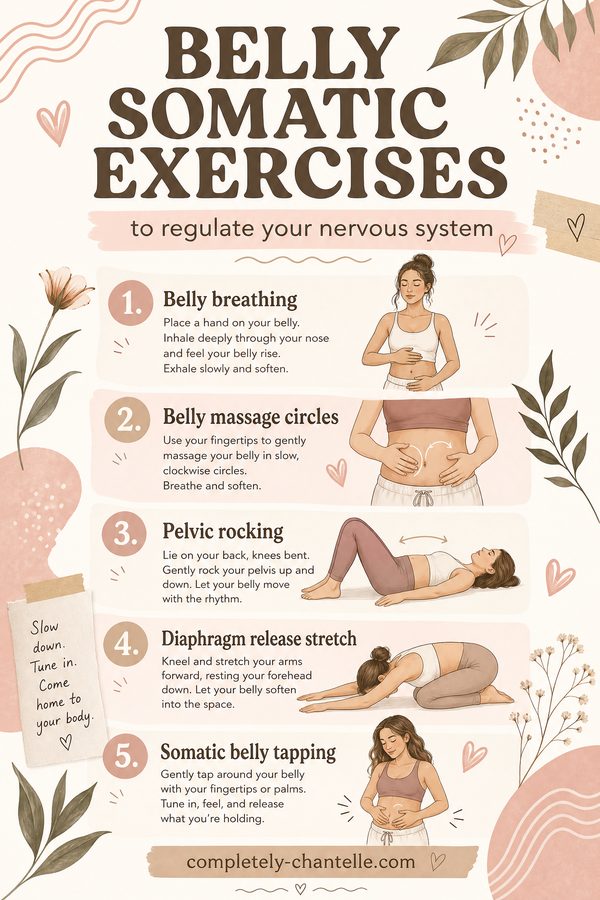
My own path has been far from neat. I have lived with polycystic ovary syndrome, substance misuse, and trauma, and the road through all of it has been crooked. I have left jobs, started work around generational trauma healing, then dropped it. I have sat in dark rooms and long baths. I have spoken cruelly to myself, then still gone through the motions of daily affirmations. I have moved abroad, given up on myself, tried again, then given up again. I have said sod this and picked up a drink. I have also worked with nutritionists, coaches, and nervous system courses. Every part of that was part of the learning. As I look ahead, I realise these long-term habits influence the transition into perimenopause and menopause, specifically regarding how I manage symptoms like hot flashes and night sweats.
What I understand now is simple. I cannot bully my body into balance. I have to give it reasons to trust me.
That is where good habits matter. Not perfect habits, not rigid control, not a glossy version of wellness that makes me feel small. I mean the ordinary things, repeated with care. Regular meals. Enough protein and consistent rest are essential to support bone density and prevent osteoporosis. These steady habits ensure that if I ever need hormone replacement therapy, my body is better prepared to respond. Sleep that starts before midnight most nights is vital. Gentle movement. Less screen time when I feel fragile. Fewer decisions made from panic. Better boundaries with people who keep reopening old wounds. These are the habits that help my body settle.
I also understand that healing is not a straight line. I am not a before-and-after project. I am a woman with a body that remembers, a nervous system that learns slowly, and hormones that respond to how I live, eat, rest, and relate. When I treat myself as something broken to be fixed, I lose the plot. When I treat myself as someone who needs steadiness, warmth, and honesty, my body starts to meet me there.

That is why I work the way I do now. As a Woman’s Cycle Somatic Coach, I care about helping women make sense of what their bodies are saying throughout the menstrual cycle, especially when stress and unhelpful habits have been running the show for too long. It is not about hitting a certain weight or keeping every macro in line. The centre is coherence, supporting our reproductive health and overall vitality. By nourishing the body through the different phases of the cycle, we balance estrogen and progesterone, which can reduce the risk of breast cancer and support long-term wellness.
My body is intelligent. So is yours. We are taught to forget that, but we do not have to stay forgetful.
If you want to start, start small. Eat earlier. Sleep a little more. Put the phone down before bed. Move your body in ways that do not punish it. Notice what sends you spiralling, and notice what brings you back. That is where hormonal imbalance is addressed, from puberty through to menopause. Whether we are navigating the natural fluctuations of estrogen, progesterone, and testosterone, or discussing the potential need for hormone replacement therapy, the conversation becomes easier when the body feels safe. We can settle the persistent issues of hot flashes, night sweats, the rhythms of the menstrual cycle, and mood swings. By prioritizing this care, we can better manage polycystic ovary syndrome, thyroid stimulating hormone, follicle-stimulating hormone, and luteinizing hormone levels, while preventing weight gain, improving libido, optimising metabolism, and protecting our bones from osteoporosis. This is where hormonal balance begins, in the ordinary choices I make when no one is watching, ensuring my reproductive health remains a priority, and helping me mitigate risks like breast cancer as I navigate perimenopause and eventually menopause.
Key Takeaways
- The Mind-Body Connection: Hormonal health is deeply influenced by chronic stress and emotional patterns, as persistent nervous system dysregulation disrupts the production of vital hormones like estrogen, progesterone, and cortisol.
- The Impact of Daily Habits: Small, consistent choices – such as meal timing, screen usage, and sleep hygiene -are far more effective for long-term endocrine balance than rigid or punitive wellness protocols.
- Healing is Nonlinear: Managing hormonal health through conditions like PCOS, endometriosis, or perimenopause requires patience and self-compassion rather than viewing the body as something broken that needs to be fixed.
- Safety as a Foundation: Creating a sense of internal safety by setting boundaries and practicing consistent self-care allows the body to regulate its natural cycles and hormonal responses more effectively.
Frequently Asked Questions
How does stress directly affect my hormonal balance?
Chronic stress keeps cortisol levels elevated, which interferes with the body’s ability to produce reproductive hormones like estrogen, progesterone, and testosterone. This state of constant alertness can disrupt signaling for thyroid and luteinizing hormones, ultimately preventing the body from thriving.
Can my daily habits really impact perimenopause and menopause?
Yes, the habits you cultivate now build the foundation for how you will experience hormonal transitions later. Consistent nutrition, rest, and low-impact movement help maintain bone density and metabolism, ensuring your body is better prepared to manage symptoms like hot flashes and night sweats when these life changes occur.
Should I focus on ‘perfecting’ my routine to fix hormonal issues?
Instead of seeking rigid perfection or punishing routines, focus on steady, ordinary care. Trying to bully your body into balance often adds more stress; instead, prioritize consistent sleep, regular meals, and gentle movement to help your nervous system feel safe and supported.
Is it possible to heal if I have a condition like PCOS or endometriosis?
Healing is rarely a straight line, but addressing your hormonal health is absolutely possible by shifting your focus toward nervous system regulation and sustainable lifestyle habits. While medical support is important for chronic conditions, nurturing your body with consistent, supportive care helps minimize symptoms and improves your overall quality of life.
Hormonal Health: Signs you have a Hormonal Imbalance
The Ultimate Guide to Eating and Moving for Your Specific Cycle Phase
Somatic Wisdom vs. The 20-Step Routine
The Luteal Phase: Why do I feel like a different person every three weeks?
Energy Crashes: Understanding Your Body’s Signals
Cycle Syncing: Exercising for Your Cycle to Beat PMS Symptoms
4 Types of PCOS Explained, Symptoms and Causes
How to Support Yourself During the Luteal Phase
Hormonal Health Basics for Women: A Guide
Hormonal Wellbeing: Your Hormonal Happiness
Healthy Habits and Your Hormones: How your everyday habits affect your cycle
Why building Somatic Awareness helps your menstrual cycle
Why Your Nervous System Holds the Key to Hormonal Balance
The Luteal Phase: “I know all this but I can’t move”
An ode to ‘feeling wrecked’ right now
Your Hormones aren’t betraying you
Trauma and Your Hormones: Understanding the Silent Connection
Body Literacy: Let’s stop chasing the ‘perfect’ cycle
The Hormone Powerhouse: A love letter to my liver
My Hormones + Hakomi: The 5 simple principles of Hakomi that overhauled my PCOS
From PCOS to PMOS: A Journey in Understanding my Hormonal Health
Data vs. Soul: What My Toxic Hormone Coach Taught Me About Sovereignty

