Menu
Managing life with PCOS
Key Takeaways
- Shifting the Narrative: The medical understanding of PCOS is evolving toward the term Polyendocrine Metabolic Ovarian Syndrome (PMOS), which better acknowledges the condition as a complex metabolic and endocrine issue rather than just a reproductive one.
- Root Cause Management: Moving beyond symptom suppression – such as simple pill prescriptions – requires addressing underlying factors like insulin resistance, chronic stress, and nervous system regulation.
- Holistic Integration: Effective management often involves a multifaceted approach, including personalised nutrition, intentional movement like strength training and yoga, and somatic practices to foster a deeper connection with the body.
- Empowered Self-Advocacy: You are not broken; your body is providing vital data. Seeking care that looks at the full picture of your long-term health, such as metabolic and cardiovascular risks, is essential for proactive, informed management.
PCOS and me
For years, Polycystic ovary syndrome felt like a label that explained part of my story, but never the whole thing. It was familiar, yet oddly vague. I was diagnosed at 17, told I might struggle to have children, and sent away with prescriptions for combined oral contraceptive pills or metformin. That was the sum of it.
By my mid-30s, I had had enough. I stopped waiting for doctors to give me answers and started taking my hormonal health into my own hands through intentional lifestyle changes. My PCOS had become chronic and debilitating. It affected everything, especially how I felt about myself. I was determined to make things better for myself. As I went on the hunt for answers, I couldn’t believe that so many women were not privy to this knowledge. We had never been taught about the power of nutrition, supplements, cycle syncing and somatic body based tools to thrive in our hormonal lives. I learned, the more obvious it became that a lot of the care I had been given was about managing symptoms, not getting to the root of what was going on.
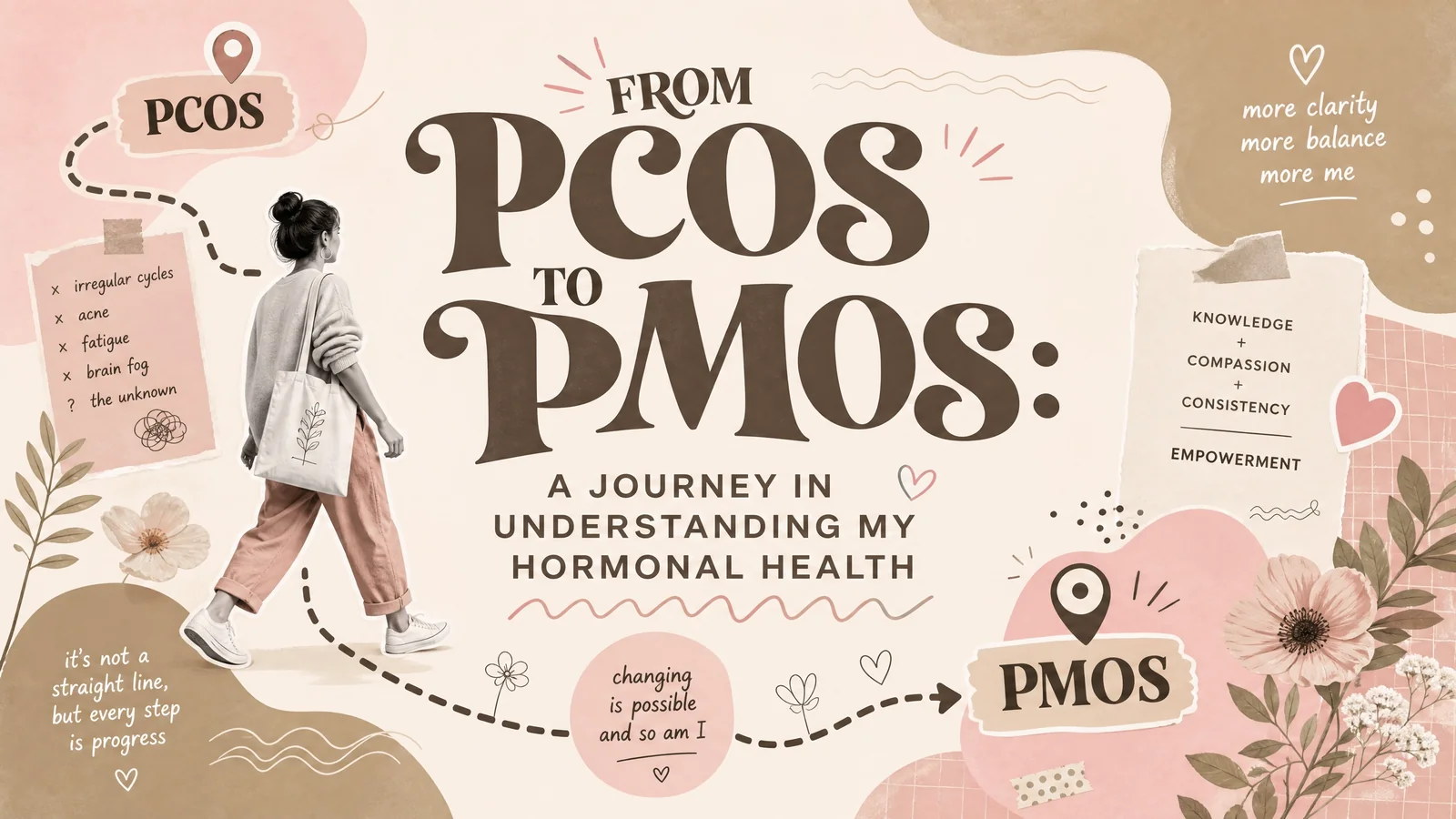
That search changed everything for me. It also lined up with a recent shift in how this condition is being described, with PCOS being renamed by some global experts as Polyendocrine Metabolic Ovarian Syndrome, or PMOS. For me, that feels like a sign that women’s health is finally being taken more seriously.
The early years
My PCOS journey started the way it does for a lot of women, with a bunch of symptoms that were either brushed off or dealt with one by one. I dealt with irregular menstrual cycles, persistent hirsutism, and visible signs of androgen excess. My weight kept changing in ways that led to concerns about obesity, inflammation was always hanging around, and I never felt properly balanced.
By my mid-30s, these issues were affecting my daily life, so I stopped relying on the standard advice and started looking for my own answers. I worked with a nutritionist who specialised in PCOS management. I learned how much the right supplements could help. I changed my approach to physical activity, choosing Pilates, strength training, and yoga instead of HIIT, and I made it a point to walk 10,000 steps a day.
I tracked my cycle, checked my basal body temperature, and even tried seed cycling. I gave up alcohol, cut back on caffeine, started meditating, and paid more attention to my morning and bedtime routines. I also let go of relationships that left me feeling awful.
All of that helped. My chronic PCOS became much milder. I never went on the pill, and I am glad I did not, because I needed to learn how to work with my body rather than against it.
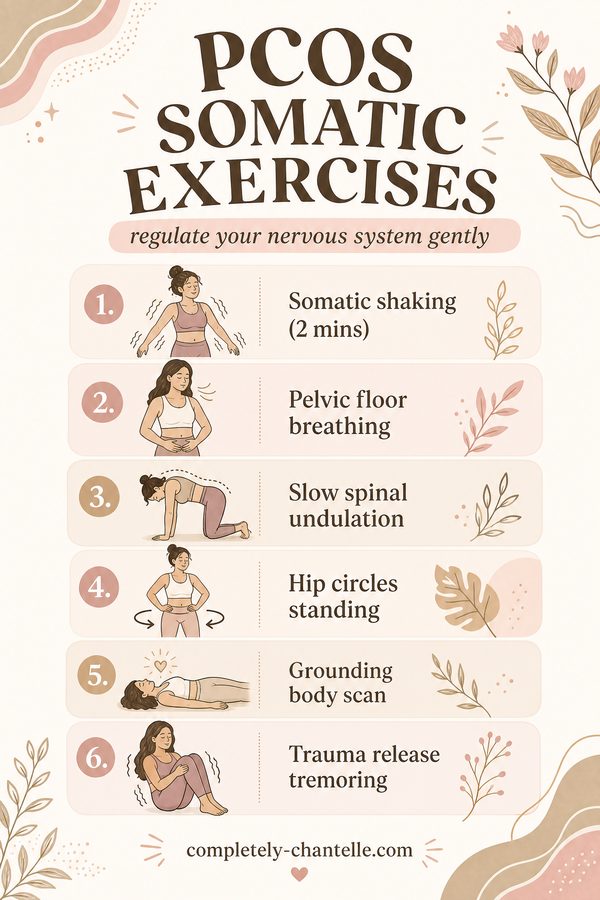
Still, one piece was missing. What really changed things was somatic work. I had to learn how to calm my nervous system and feel safe in my own body. Moving abroad helped too. A slower pace of life and a lot more sunshine made a real difference.
Why PMOS feels like a better fit
The shift from PCOS to PMOS is about more than just a name change. It is a more accurate reflection of what many of us have been living with all along. In fact, the 2023 international evidence-based guideline now recognises that Polycystic ovary syndrome is a complex, multi-system condition rather than a simple reproductive issue.
For years, doctors relied heavily on a transvaginal ultrasound to identify cysts, but this narrow focus often missed the bigger picture. Many women suffer from symptoms like anovulation or hyperandrogenism without ever developing visible cysts on an ultrasound (read more about the 4 types of PCOS here). My own experience was defined by this frustration. I visited doctors countless times, distressed by missed periods and persistent symptoms, only to be told to take combined oral contraceptive pills and focus on weight loss.
That standard advice failed to address why these issues were happening in the first place. It treated the symptoms while ignoring the underlying insulin resistance that often drives the condition. Weight loss is notoriously difficult when your metabolic systems are struggling, yet the medical community frequently overlooked this connection.
PMOS feels like a much better fit because it points to the broader reality of our health. The term reflects how our hormone systems are deeply interconnected. It moves away from the misleading focus on ovarian cysts and highlights the metabolic struggles and endocrine imbalances that define our daily lives. For me, this shift in language feels like true recognition. My hormonal challenges were never just about my ovaries. They were rooted in my metabolism, my stress levels, and the way my entire body was responding to my environment.
What I changed
As I learned more, I stopped treating my body like a series of disconnected symptoms. That made a huge difference.
I began to understand insulin resistance and why it sits at the center of PMOS for so many women. Managing insulin resistance is crucial because it helps mitigate the long-term risk of developing type 2 diabetes and metabolic syndrome. That knowledge helped me see why certain foods and meal patterns worked better for me than others, as blood sugar control proved to be a fundamental pillar of my recovery.
I also learned about the HPA axis and how chronic stress impacts it. This was a significant wake-up call because stress does not just make me feel tired or wired; it feeds into hormonal imbalances like androgen excess. This hormonal shift can manifest as physical symptoms such as hirsutism and irregular menstrual cycles. By better managing my nervous system, I saw improvements in my ovulation, helping to address the issues caused by chronic anovulation.
On top of that, I started paying closer attention to my whole body. I prioritized consistent physical activity to support my metabolic health and reduce the risk of cardiovascular disease. My energy, mood, digestion, and cycle all provided vital clues. Once I learned to listen to those signals properly, I could make choices that supported my well-being instead of fighting against my body.

What I want other women with PCOS to know
Taking charge of my hormonal health changed my life. It gave me a clearer understanding of my body and stopped me from seeing polycystic ovary syndrome as a fixed, hopeless label.
The shift to PMOS matters because it opens the door to better diagnosis, improved communication with providers, and care that looks at the full picture. Crucially, the 2023 international evidence-based guideline now provides a framework for more proactive care, helping us understand the long-term risks associated with polycystic ovary syndrome, such as endometrial cancer, type 2 diabetes, and cardiovascular disease.
If you have been told to just go on the pill, focus solely on weight loss, or manage obesity without any further support, I want you to know that there is more to your health journey.
Your body is not broken. It is providing you with vital information. By looking beyond the outdated advice of the past, we can move toward a future where our hormonal health is managed with the precision and empathy we deserve.

Frequently Asked Questions
What is the difference between PCOS and PMOS?
While PCOS focuses on ovarian cysts and reproductive symptoms, PMOS (Polyendocrine Metabolic Ovarian Syndrome) highlights that this is a multi-system, metabolic, and endocrine condition. This new framework helps move the medical conversation away from a narrow focus on ovaries and toward the metabolic roots of the syndrome.
Can lifestyle changes alone manage this condition?
Lifestyle changes like balancing blood sugar, managing stress, and somatic work are incredibly powerful for symptom reduction and overall health. However, many women find that combining these with medical interventions, such as medications for insulin resistance or ovulation, is the most effective path for their specific needs.
Why is the standard advice of weight loss often ineffective?
Standard weight loss advice often fails because it ignores the metabolic dysfunction and insulin resistance that drive weight gain in the first place. When your metabolic systems are struggling, focusing on weight alone can be counterproductive and overlooks the deeper hormonal imbalances that need support.
Does everyone with this syndrome develop cysts?
No, many women experience symptoms like irregular periods and androgen excess without ever developing visible cysts on an ultrasound. This is why the outdated focus on ovarian appearance often led to missed diagnoses and a lack of proper care for many individuals.

Hormonal Health: Signs you have a Hormonal Imbalance
The Ultimate Guide to Eating and Moving for Your Specific Cycle Phase
Somatic Wisdom vs. The 20-Step Routine
The Luteal Phase: Why do I feel like a different person every three weeks?
Energy Crashes: Understanding Your Body’s Signals
Cycle Syncing: Exercising for Your Cycle to Beat PMS Symptoms
4 Types of PCOS Explained, Symptoms and Causes
How to Support Yourself During the Luteal Phase
Hormonal Health Basics for Women: A Guide
Hormonal Wellbeing: Your Hormonal Happiness
Healthy Habits and Your Hormones: How your everyday habits affect your cycle
Why building Somatic Awareness helps your menstrual cycle
Why Your Nervous System Holds the Key to Hormonal Balance
The Luteal Phase: “I know all this but I can’t move”
An ode to ‘feeling wrecked’ right now
Your Hormones aren’t betraying you
Trauma and Your Hormones: Understanding the Silent Connection
Body Literacy: Let’s stop chasing the ‘perfect’ cycle
The Hormone Powerhouse: A love letter to my liver
My Hormones + Hakomi: The 5 simple principles of Hakomi that overhauled my PCOS
From PCOS to PMOS: A Journey in Understanding my Hormonal Health
Data vs. Soul: What My Toxic Hormone Coach Taught Me About Sovereignty

