Menu

Immune System and Hormones: What Your Body Is Telling You
After a stretch of poor sleep, a stressful week, or a lingering cold, you may feel unlike yourself. Your energy can dip, your appetite may change, and small problems can feel harder to shake.
Immune System and Hormones are in constant contact, but no single symptom proves that either is out of balance. Subtle shifts in hormonal balance can influence how effectively your immune system functions. You can learn how this relationship works, which daily habits may help, and when a doctor should assess persistent changes. This information supports medical advice, but does not replace it.
Key Takeaways
- Your immune system and hormones maintain a continuous two-way communication channel, meaning that stress, sleep, and infections can directly influence your hormonal balance and overall energy.
- Key hormones such as cortisol, estrogen, progesterone, and thyroid hormones play a major role in regulating your body’s inflammatory response and immune cell activity.
- Persistent symptoms like chronic fatigue, recurrent infections, unexplained weight changes, or temperature intolerances should be evaluated by a medical professional rather than self-diagnosed.
- Adopting steady daily routines – including balanced nutrition, appropriate physical activity, good sleep hygiene, and avoiding unverified supplements -supports both your immune and hormonal health over time.
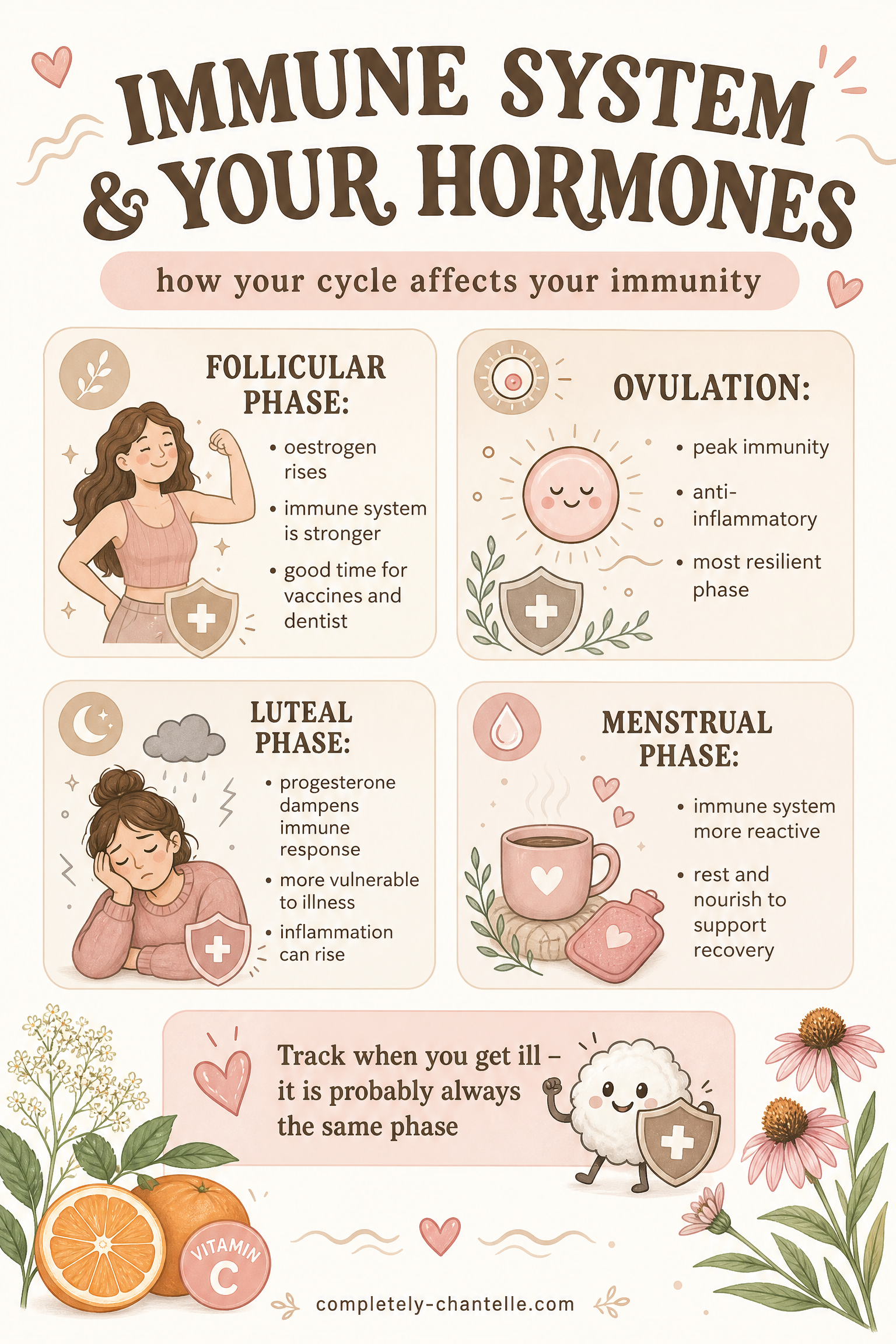
Immune System and Hormones: How the Two Systems Work Together
Hormones are chemical messengers released by glands such as the thyroid, adrenal glands, ovaries, testes and pancreas. They travel through your blood and influence processes including growth, metabolism, reproduction, sleep and stress responses.
Your immune system protects you from infections and helps repair damaged tissue. Its cells respond to many hormones, while also releasing chemical signals that can affect the brain and hormone-producing glands. Research on the links between immunity and the endocrine system shows that immune cells, including T cells and B cells, carry receptors for endocrine signals. These cells also release signaling proteins known as cytokines, such as proinflammatory cytokines, which communicate directly with hormone-producing glands.
This creates a two-way conversation. When you develop an infection, immune signals can leave you tired, less hungry and ready for sleep. Those changes may feel unpleasant, yet they can encourage rest while your body responds. On the other hand, poor sleep or prolonged stress can alter hormone patterns and make immune regulation less steady.
Balance matters. Too little immune activity can make infections harder to control. Too much inflammation, especially when it lasts, can harm healthy tissue and impact overall immune function while contributing to symptoms such as pain or fatigue.
Your genes, age, medicines, sleep, diet, medical history and life stage all shape this picture. Therefore, the same hormone change can affect two people in different ways.
Which Hormones Affect Your Immune Response?
Cortisol rises when you face pressure, illness, or danger. In the short term, it helps control inflammation so your immune response does not become excessive. However, chronic stress and broken sleep can keep cortisol elevated and disturb its usual daily rhythm. You might then notice poorer recovery, low mood, or a sense of running on empty.
Estrogen and progesterone also influence immune activity. Their levels shift during the menstrual cycle, pregnancy, the months after birth, and menopause. As a result, some people notice that inflammatory symptoms, headaches, skin changes, or existing conditions vary with cycle timing. Issues like estrogen dominance or a broader hormonal imbalance can sometimes make these symptoms more pronounced. These patterns can offer useful clues, but they do not diagnose a hormonal problem by themselves.
Testosterone and other sex hormones may also contribute to differences in immune responses between individuals. A review of sex hormone signalling and immune function describes how estrogens, androgens, and progestins can affect immune cells in different ways.
Thyroid hormones help set the pace of many body functions. An underactive or overactive thyroid can affect your energy, heart rate, skin, bowel habits, and tolerance of heat or cold. Those signs are not unique to immunity, which is why a GP considers your full history before ordering tests.
Insulin deserves attention too. It helps control blood glucose. When blood glucose remains high over time, metabolic health and inflammation can influence each other. Regular meals, movement, and appropriate treatment for diabetes can support steadier control.
Hormone levels naturally change with age, illness, pregnancy, medicines, and the menstrual cycle. Supplements marketed as hormone resets, detoxes, or immune boosters cannot reliably correct these changes.
Why stress and sleep can change how you feel
Stress starts a rapid body response. Adrenaline prepares you for action, while cortisol helps manage fuel and inflammation. A deadline or a difficult conversation can sharpen attention for a short time.
Persistent stress is different. If worry keeps interrupting your sleep, your body gets less time to recover. That can affect mood, appetite, pain sensitivity, and how you cope with everyday infections. Stress does not directly cause every illness, but it can add strain when other health issues are present.
Sleep is not passive downtime. It helps regulate immune signals and the hormone rhythms that shape energy and appetite.
If loud snoring, insomnia, shift work, or suspected sleep apnea regularly affects your rest, speak to a GP rather than accepting exhaustion as normal.

Signs Your Hormones or Immune System May Need Attention
Look for patterns, not isolated bad days. A medical review makes sense if infections are repeated, unusually severe or slow to clear. The same applies if fatigue lasts for weeks and doesn’t improve with rest.
Other changes may deserve attention when they persist or occur together. These include unexplained weight change, altered periods, hot flushes, feeling much colder or hotter than usual, bowel changes, swollen glands, joint pain, rashes or slow wound healing.
Many conditions can cause similar symptoms. Anaemia, thyroid disease, infection, medication effects, poor sleep, stress and autoimmune disease can overlap in ways that are hard to untangle at home. Commercial hormone testing kits and social media symptom checklists cannot replace a clinical assessment.
A GP may ask when symptoms began, whether they follow your menstrual cycle, how you sleep, what medicines and supplements you take, and whether certain conditions run in your family. They may also ask about recent infections, pregnancy plans or major life changes. Blood tests are selected around your symptoms, and they are not always needed.
Seek urgent help through NHS 111, an urgent GP appointment or A&E if you have severe breathing difficulty, sudden confusion, chest pain, severe allergic symptoms or a rapidly worsening condition.
How autoimmune conditions fit into the picture
Autoimmune conditions occur when a breakdown in immune tolerance causes immune activity to mistakenly target the body’s own tissues. Rheumatoid arthritis, systemic lupus erythematosus, coeliac disease and other forms of autoimmune disease show how varied autoimmunity can be.
Hormones, genes, infections and environmental exposures may all affect risk. Still, no single factor explains most cases. The relationship between menopause and autoimmune symptoms can also vary widely between people.
Persistent joint swelling, prolonged diarrhoea, marked weakness or recurring unexplained symptoms need a GP assessment. Self-treatment can delay the right diagnosis.
Ways to Support Your Immune System and Hormonal Health
You cannot force your immune system and hormones into perfect balance, but steady routines can support both systems effectively. Build meals around fruit and vegetables, pulses, wholegrains, protein, calcium-rich foods, and healthy fats. Regular eating can also make energy swings easier to spot.
Choose movement that fits your ability and schedule. A daily walk, swimming, cycling, or gentle strength work can improve sleep and support metabolic health. Start small if fatigue or pain has made activity difficult.
Protect your sleep with a regular bedtime and a calming wind-down routine. Keep vaccinations up to date, avoid smoking, and wash your hands carefully when illness is circulating.
If you drink alcohol, follow sensible guidelines of no more than 14 units a week, spread across three or more days. Supplements can help when a clinician identifies a deficiency or recommends vitamin D, but high doses can cause harm and interact with medicines. Similarly, prescribed medical interventions such as hormone replacement therapy or other forms of targeted hormone therapy should always be carefully managed under professional clinical supervision.
When to Speak to a GP About Hormone and Immune Symptoms
Book a doctor appointment if symptoms last several weeks, keep returning, or interfere with work, sleep, or daily life. Make the appointment sooner if changes appear alongside periods, weight, mood, temperature tolerance, or frequent illness that impacts your immune system.
Before you go, keep a short diary. Record dates, menstrual cycle timing, sleep, infections, medicines, supplements, and details regarding any hormone replacement therapy. This can help you describe the pattern without trying to diagnose yourself.
Don’t stop prescribed steroids, thyroid medicine, hormone replacement therapy, or other treatment without medical advice. Pregnancy, recent childbirth, menopause, long-term steroid use, and known endocrine or autoimmune conditions can change the right next step.
For urgent but non-life-threatening concerns, local urgent care or a telehealth provider can guide you. A consultation is the safest way to match symptoms with appropriate tests and treatment.

Frequently Asked Questions
How do hormones and the immune system communicate?
Hormones and the immune system communicate through a complex two-way network where immune cells carry receptors for endocrine signals, and immune proteins known as cytokines send messages back to hormone-producing glands. This interaction helps your body respond to stress, infections, and tissue damage.
Can stress and poor sleep weaken my immune system?
Yes, chronic stress and lack of quality sleep keep cortisol levels elevated and disrupt your natural circadian rhythms. Over time, this ongoing strain can negatively impact immune regulation, making it harder for your body to recover from everyday illnesses.
What are the signs that my hormones or immune system need attention?
Look for persistent patterns rather than isolated bad days, such as fatigue lasting for weeks, repeated or slow-to-clear infections, unexplained weight shifts, and altered body temperature tolerance. If these symptoms interfere with daily life, it is important to consult a GP.
Should I use commercial hormone testing kits or supplements?
Commercial hormone testing kits, social media symptom checklists, and supplements marketed as detoxes or hormone resets cannot reliably diagnose or correct imbalances. A proper clinical assessment by a healthcare professional is always the safest and most accurate approach.
A Steadier Way to Read Your Symptoms
Your immune system and hormones communicate throughout the day, so stress, sleep, infections, life stages, and medical conditions can all affect how you feel. No single diet, supplement, or test can explain every symptom.
Support your health with repeatable habits, pay attention to persistent changes, and seek advice when something does not feel right. Consistency often gives your immune system and overall hormonal balance more support than quick fixes ever can.

Hormonal Health: Signs you have a Hormonal Imbalance
The Ultimate Guide to Eating and Moving for Your Specific Cycle Phase
Somatic Wisdom vs. The 20-Step Routine
The Luteal Phase: Why do I feel like a different person every three weeks?
Energy Crashes: Understanding Your Body’s Signals
Cycle Syncing: Exercising for Your Cycle to Beat PMS Symptoms
4 Types of PCOS Explained, Symptoms and Causes
How to Support Yourself During the Luteal Phase
Hormonal Health Basics for Women: A Guide
Hormonal Wellbeing: Your Hormonal Happiness
Healthy Habits and Your Hormones: How your everyday habits affect your cycle
Why building Somatic Awareness helps your menstrual cycle
Why Your Nervous System Holds the Key to Hormonal Balance
The Luteal Phase: “I know all this but I can’t move”
An ode to ‘feeling wrecked’ right now
Your Hormones aren’t betraying you
Trauma and Your Hormones: Understanding the Silent Connection
Body Literacy: Let’s stop chasing the ‘perfect’ cycle
The Hormone Powerhouse: A love letter to my liver
My Hormones + Hakomi: The 5 simple principles of Hakomi that overhauled my PCOS
From PCOS to PMOS: A Journey in Understanding my Hormonal Health
Data vs. Soul: What My Toxic Hormone Coach Taught Me About Sovereignty

