Menu
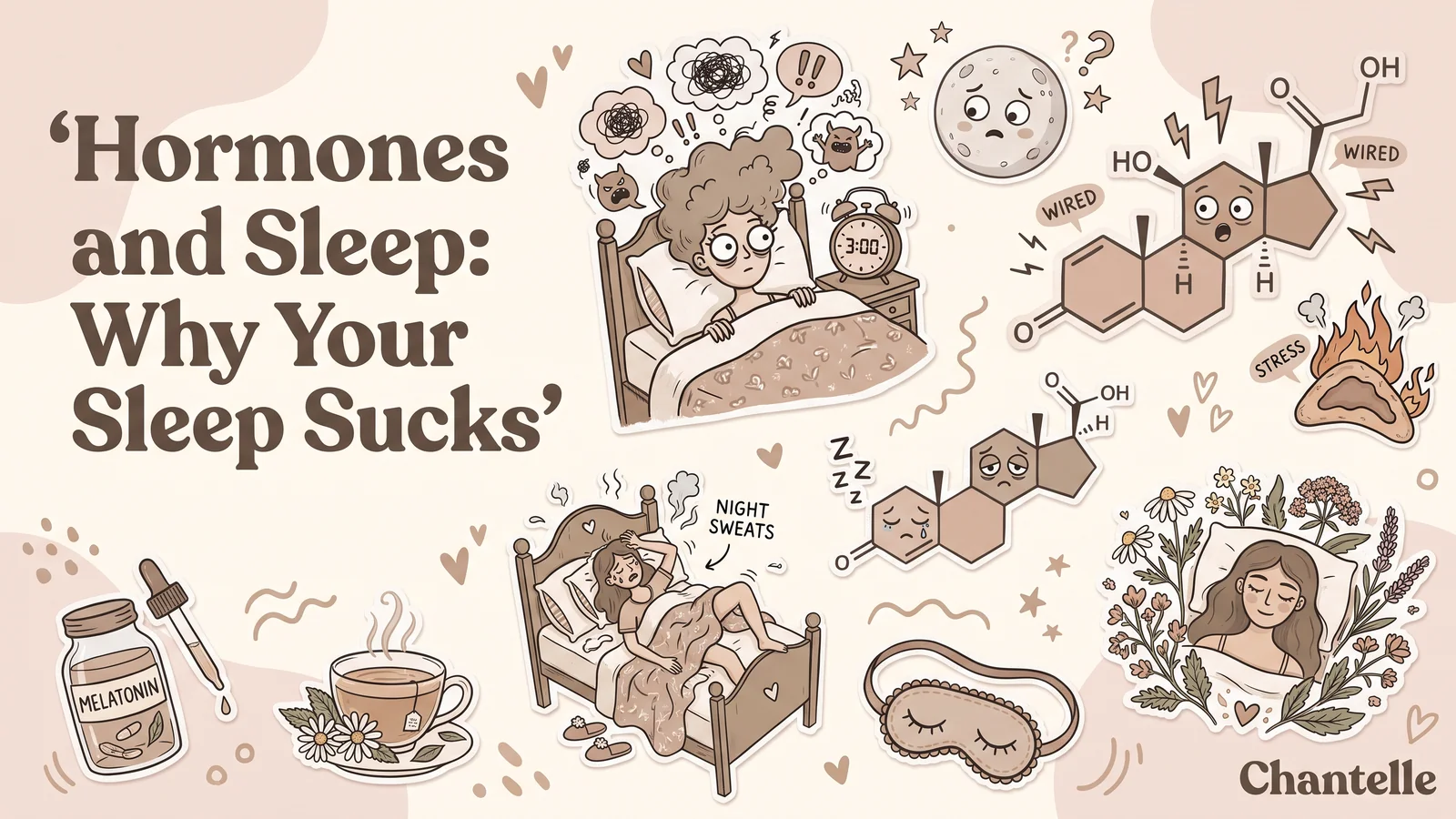
How Hormonal Health Affects Your Sleep
You are exhausted, yet your mind feels awake and your body will not settle. A hot flush, a racing heart, hunger at 3 am or a busy thought loop can turn a quiet bedroom into a long night.
How hormonal health affects your sleep is often part of that picture. Hormones help set your body clock, temperature, stress response, mood and appetite, although they are not the cause of every poor night. Recognising patterns can help you decide what to change and when to speak to your GP.
Key Takeaways
- Hormones can influence your body clock, temperature, stress response, appetite, mood, and sleep continuity, but they are not the cause of every poor night.
- Repeated sleep problems alongside symptoms such as hot flashes, night sweats, irregular periods, palpitations, weight changes, unusual thirst, or severe fatigue may warrant a conversation with a primary care clinician.
- Puberty, menstrual-cycle changes, pregnancy, perimenopause, menopause, thyroid disorders, blood sugar changes, and stress can all affect sleep in different ways.
- A two-week sleep diary can help identify patterns involving symptoms, routines, medicines, caffeine, alcohol, stress, or menstrual cycles.
- Consistent wake times, morning daylight, regular movement, balanced meals, a cool bedroom, and a calming evening routine can support sleep, but persistent symptoms may need medical treatment or assessment for conditions such as sleep apnea.
How hormones influence sleep quality
Hormones are chemical messengers. They travel through your bloodstream and help coordinate processes that affect sleep, including when you feel alert, how warm you feel and how your body handles food.
Sleep also affects those messengers. A few short nights can change appetite signals, stress hormones and how your body responds to insulin. Meanwhile, longer-term changes in hormone levels can make falling asleep, staying asleep or waking refreshed more difficult.
Melatonin helps signal that evening has arrived. In contrast, cortisol helps you feel alert and ready to act, which is useful in the morning. Bright light, especially blue light, stress, shift work or illness can muddle those cues and leave you tired during the day but wired at night.
Light, wake time and hormones help coordinate your circadian rhythm and sleep-wake cycle. Repeated awakenings can fragment normal sleep stages, including REM sleep, but one symptom does not prove a hormonal disorder.
Hormones linked to hunger and blood sugar can also interrupt rest. If you wake shaky, sweaty or hungry, it may be tempting to assume a hormone problem. However, alcohol, a late meal, medicines and anxiety can cause similar symptoms.
Sleep is less like an on-off switch and more like an orchestra. Timing matters, but so do temperature, stress, light, health conditions and your daily routine.
Melatonin rises in the evening when darkness tells your brain that night is approaching. Dimmer lighting and a regular wake time can support this natural signal. Supplements are not a universal answer, though, and they can be unsuitable alongside some medicines or health conditions.
Cortisol normally rises toward morning. Yet prolonged stress can keep your nervous system on alert after bedtime. You may notice tense muscles, repetitive thoughts or waking too early with a feeling of dread.
Changes in reproductive hormones, including estrogen and progesterone, can affect body temperature, mood and sleep continuity. Thyroid hormones influence energy, heart rate and heat production. Insulin helps manage blood sugar, so disrupted glucose control may also affect nighttime waking.
One symptom cannot diagnose a hormonal issue. Feeling hot at night, for example, may relate to a warm room, alcohol, infection, anxiety or a health condition. The useful clue is a repeated pattern with other symptoms.
Why sleep can change during puberty, pregnancy and menopause
Hormonal shifts are common at several life stages. During puberty, your internal clock often moves later, which can make early school or work mornings feel punishing.
Across the menstrual cycle, changing progesterone levels and estrogen levels can affect temperature, mood and sleep continuity. Bloating, cramps, breast tenderness and mood changes can all make the bed less comfortable. Sleep difficulties can still affect people with irregular cycles or no periods.
Pregnancy can bring vivid dreams, reflux, discomfort and frequent nighttime trips to the bathroom. Later in pregnancy, finding a comfortable position may become harder. These changes can leave you sleep-deprived even when you spend enough hours in bed.
During perimenopause and menopause, changing estrogen may bring hot flashes, night sweats, anxiety and broken sleep. The NHS guidance on sleep problems offers practical support for improving sleep habits, but persistent symptoms still deserve a medical conversation.
Age can also shift sleep timing and make sleep lighter. You do not need to dismiss disruptive nights as something you must simply tolerate during menopause.
Signs your sleep problems may have a hormonal link
Persistent difficulty falling or staying asleep, including insomnia, deserves closer attention when it arrives with changes elsewhere in your body. These sleep disturbances deserve attention when they reduce sleep quality or affect daytime functioning.
You are not diagnosing yourself by noticing these signs. You are gathering useful information for a primary care clinician.
A hormonal cause may be worth discussing if insomnia or frequent waking appears alongside:
- hot flashes, night sweats, irregular periods or unusually heavy bleeding;
- unexplained weight change, tremors, palpitations, heat intolerance or severe fatigue;
- persistent low mood, new anxiety, unusual thirst or frequent urination;
- daytime exhaustion that affects concentration, work, driving or relationships;
- symptoms that begin around menopause or another significant health change.
Thyroid disorders can disturb sleep in opposite ways. An overactive thyroid may leave you hot, restless and aware of a fast heartbeat. An underactive thyroid can contribute to tiredness, low mood and feeling unrefreshed. Many other conditions can cause these symptoms too.
Polycystic ovary syndrome, diabetes, menopause and ongoing stress can each affect sleep differently. For example, diabetes may involve frequent urination or blood sugar changes, while menopause may bring night sweats and waking overheated.
Do not overlook sleep apnea. Loud snoring, choking or gasping during sleep, morning headaches and extreme daytime sleepiness need medical attention. This condition can affect anyone, and it is more common in some people with insulin resistance or polycystic ovary syndrome.

How stress, thyroid changes and blood sugar can disturb your nights
Stress does not remain neatly inside the working day. When pressure continues into the evening, cortisol, a stress hormone, and physical alertness can remain high. You may feel bone-tired, yet notice that your thoughts speed up as soon as the lights go out.
An overactive thyroid can create a different pattern. Heat, sweating, restlessness, a tremor or a pounding heart may make sleep feel impossible. These symptoms need a primary care review, rather than a new bedtime routine alone.
Blood sugar swings may contribute to sweating, hunger or waking during the night for some people. Insulin helps regulate glucose, but late meals, caffeine, alcohol, pain, anxiety and certain medicines can produce similar experiences.
Look for repetition. If the same waking time, symptom or trigger appears over two weeks, it is more meaningful than one difficult night after a stressful day.
Practical ways to support hormonal health and better sleep
When hormones affect sleep, small routine changes can ease strain on your body clock. They cannot treat thyroid disease, diabetes, menopause-related symptoms, or sleep apnea alone. However, they can support sleep quality and provide a steadier foundation.
Start with a consistent wake time, including most weekends. Morning daylight helps regulate your circadian rhythm and sleep-wake cycle. Open the curtains early or spend a few minutes outside. Regular movement also supports sleep, even if it is a brisk walk rather than a demanding workout.
Eat regular, balanced meals where possible. Going to bed overly hungry or uncomfortably full can make sleep harder. Limit your caffeine intake from early afternoon, particularly if you are sensitive to it. Alcohol may make you drowsy at first, but it often fragments sleep later in the night.
Keep your bedroom cool, dark, and as quiet as possible. If hot flashes wake you, light layers and breathable bedding may work better than a heavy duvet. A fan may help, provided the sound does not bother you.
The NHS Inform insomnia self-help guide uses cognitive behavioral therapy principles. These can help you change unhelpful sleep habits and thought patterns.
Build an evening routine that works with your body clock
Give your body a clear change of pace in the hour before bed. Lower the lights and choose a calm activity. Reducing phone use and blue light exposure can support the evening signals involved in melatonin release.
If intense evening exercise leaves you buzzing, move it earlier where possible. You do not need a flawless routine. You need one that you can repeat often enough for your body to recognize the pattern.
When you wake at night, keep lights low and avoid checking the time. Clock-watching can turn brief waking into calculations about tomorrow. If you cannot drift off after a while, get up and do something quiet in dim light until you feel sleepy again.
Sleep hygiene supports healthier sleep signals, but it cannot explain away persistent symptoms. If the pattern continues, seek support rather than blaming yourself.
When treatment or professional support may be the right next step
Book a primary care appointment if sleep trouble lasts several weeks, affects your work, or makes driving unsafe. Seek advice sooner if you have heavy bleeding, major mood changes, palpitations, unexplained weight change, or severe fatigue.
Your clinician may review medicines and health history, then arrange focused tests rather than a wide hormone screen. Treatment depends on the cause. It may include menopause care, thyroid treatment, diabetes support that may involve insulin when clinically appropriate, cognitive behavioral therapy for insomnia, or assessment for sleep apnea.
Seek urgent help through urgent care or 911 for severe chest pain, serious breathing difficulty, or fainting. If you are having thoughts of self-harm, call or text 988, contact a trusted person, or go to an emergency department.

Frequently Asked Questions
Can hormones cause insomnia?
Hormonal changes can contribute to difficulty falling asleep, staying asleep, or waking too early. However, stress, light exposure, medicines, alcohol, health conditions, and changes in routine can cause similar symptoms.
Which hormonal changes commonly affect sleep?
Changes involving melatonin, cortisol, thyroid hormones, insulin, estrogen, and progesterone can influence sleep, temperature, energy, mood, and appetite. Puberty, pregnancy, menstrual-cycle changes, perimenopause, and menopause are common times when sleep may change.
When should I talk to a primary care clinician about sleep problems?
Make an appointment if sleep problems last several weeks, affect your daytime functioning, or occur with symptoms such as hot flashes, irregular or heavy bleeding, palpitations, unexplained weight change, or severe fatigue. Seek help sooner if sleepiness makes driving unsafe or if you have symptoms of sleep apnea, such as loud snoring, choking, or gasping during sleep.
What can I record to help identify a hormonal sleep pattern?
Keep a simple diary for two weeks with your bedtime, wake time, nighttime awakenings, symptoms, daytime sleepiness, caffeine, alcohol, medicines, stress, and menstrual-cycle dates where relevant. Repeated patterns can give your clinician useful information about possible triggers and next steps.
Can better sleep habits fix a hormonal disorder?
Sleep habits can support your body clock and improve sleep quality, but they cannot treat conditions such as thyroid disease, diabetes, menopause-related symptoms, or sleep apnea on their own. Persistent symptoms should be evaluated so you can receive treatment appropriate for the underlying cause.
Better sleep starts with the right support
Your hormones can influence sleep quality, but poor sleep rarely has one simple cause. Stress, light, routines, medicines, and underlying health conditions can all affect your nights.
Notice linked symptoms, keep a short diary, and make gentle changes that suit your life. When problems persist, speak to your GP. Better sleep often begins with treating the cause beneath the tiredness, rather than forcing yourself into an earlier bedtime.

Hormonal Health: Signs you have a Hormonal Imbalance
The Ultimate Guide to Eating and Moving for Your Specific Cycle Phase
Somatic Wisdom vs. The 20-Step Routine
The Luteal Phase: Why do I feel like a different person every three weeks?
Energy Crashes: Understanding Your Body’s Signals
Cycle Syncing: Exercising for Your Cycle to Beat PMS Symptoms
4 Types of PCOS Explained, Symptoms and Causes
How to Support Yourself During the Luteal Phase
Hormonal Health Basics for Women: A Guide
Hormonal Wellbeing: Your Hormonal Happiness
Healthy Habits and Your Hormones: How your everyday habits affect your cycle
Why building Somatic Awareness helps your menstrual cycle
Why Your Nervous System Holds the Key to Hormonal Balance
The Luteal Phase: “I know all this but I can’t move”
An ode to ‘feeling wrecked’ right now
Your Hormones aren’t betraying you
Trauma and Your Hormones: Understanding the Silent Connection
Body Literacy: Let’s stop chasing the ‘perfect’ cycle
The Hormone Powerhouse: A love letter to my liver
My Hormones + Hakomi: The 5 simple principles of Hakomi that overhauled my PCOS
From PCOS to PMOS: A Journey in Understanding my Hormonal Health
Data vs. Soul: What My Toxic Hormone Coach Taught Me About Sovereignty

